

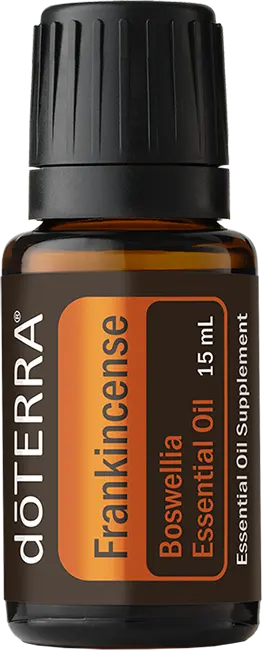
Frankincense
Sourced with Reverence, Stewarded for the Future
Frankincense has been treasured for thousands of years as an aromatic resin with deep cultural and spiritual significance. Today, its future depends on more than tradition: it depends on responsible sourcing, careful harvesting, and long-term investment in the people and landscapes that sustain it.
Multiple Species
Frankincense has captivated civilizations for thousands of years—from the temples of ancient Egypt to the trade routes of Assyria and beyond. It’s often referred to as the world’s oldest global supply chain and its precious resin has been treasured for its spiritual, wellness, and aromatic properties.
dōTERRA honors this rich legacy by sourcing multiple species of frankincense from across northeast Africa and the Arabian Peninsula—Boswellia carterii, sacra, papyrifera, and frereana. The result is a distinctive essential oil blend, overflowing with tradition.
FairWild® Certified Suppliers
As of 2026, each frankincense supplier has been certified through a trusted third-party entity using the FairWild standard, providing assurance that these wild harvested ingredients are not only legally and ethically harvested but also contribute to a sustainable future for wildlife, ecosystems, and the people who rely on them.
Because frankincense is often collected in remote landscapes through informal trading systems, the third-party certification also supports stronger documentation, clearer purchasing practices, and long-term conservation planning.
These audits are not treated as a final checkpoint. When evaluations identify gaps, dōTERRA works with sourcing partners to document findings, develop and implement improvement plans, and strengthen systems over time.
FairWild® is a registered trademark of FairWild Foundation
Why Standards Matter
In many global supply chains, people work within informal, intermediary-heavy systems where pricing can fluctuate, payment terms may only be communicated verbally, and documentation is limited. This informal system can leave harvesters vulnerable as they have little visibility into how their work is valued or how the material moves after collection.
dōTERRA’s sourcing model is designed to do the opposite: it requires suppliers to establish direct harvester relationships, written agreements, transparent purchasing records, mapped harvesting areas, and traceability from forest to final product. In our independently certified supply chains, these practices are reinforced by standards that support responsible sourcing practices and continuous improvement over time.
Harvesting the Resin
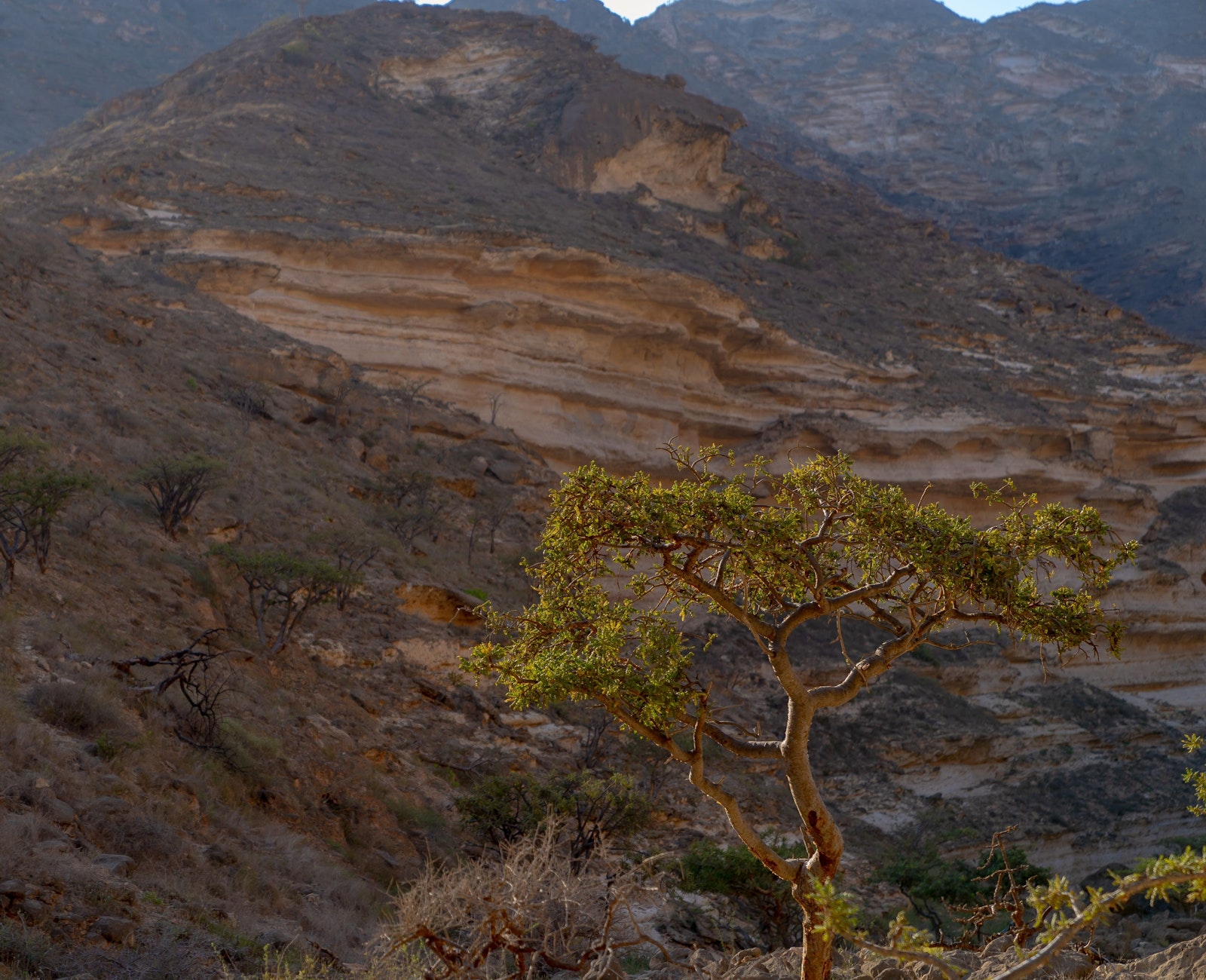
Harvesting frankincense resin is no easy task, but it’s a time-honored tradition that is carried out with care and precision. Each species of our blend is found in a mountainous region, and harvesting them often requires an arduous climb.
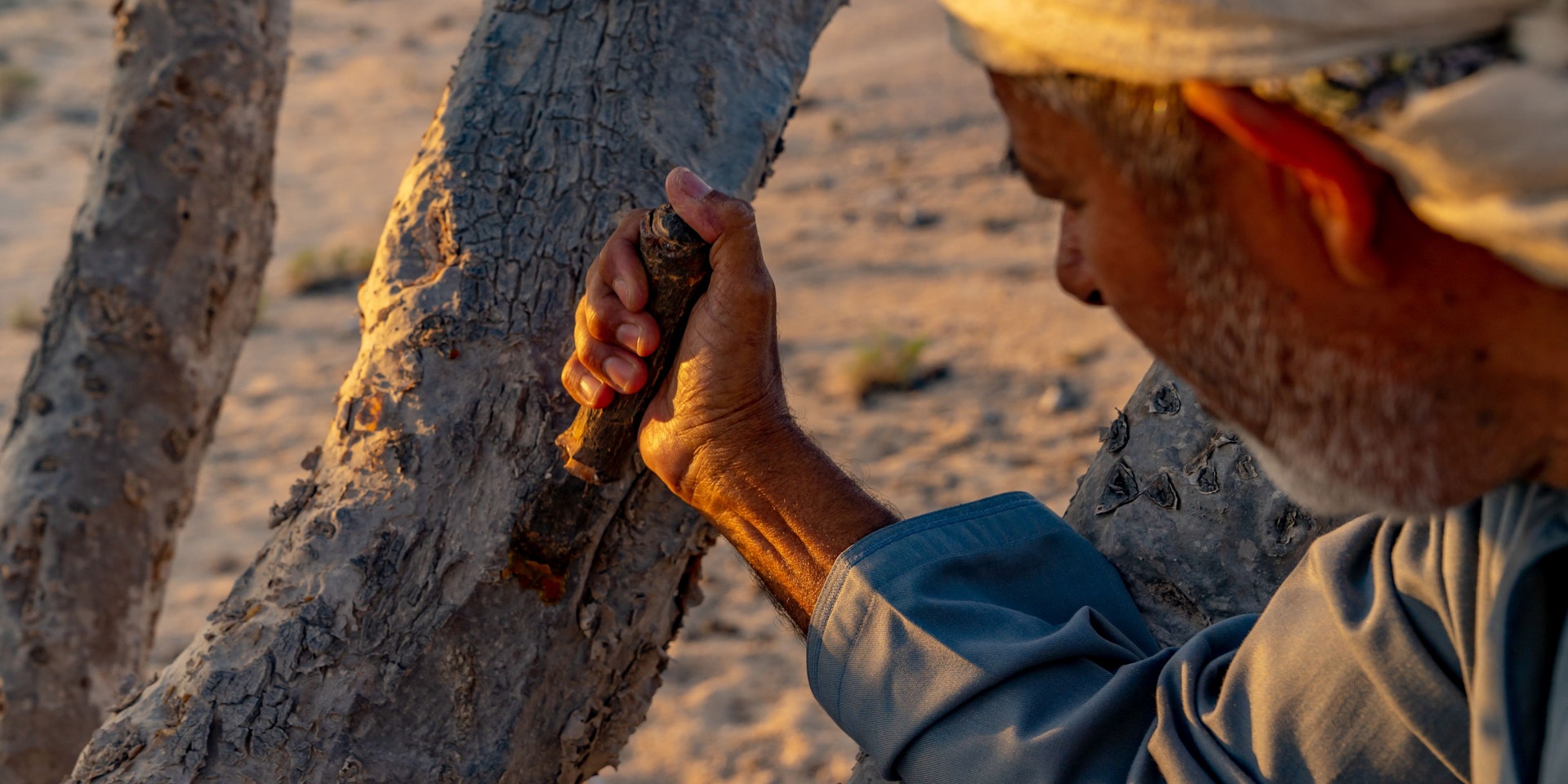
Frankincense begins as resin from Boswellia trees, which can take 12–20 years to mature enough to harvest. Harvesters make a small incision in the bark that allows the tree’s sap to seep out, which slowly dries in the hot air to form resin “tears.”
The tree rests for up to ten days before the resin is harvested, then tapped again up to three times. After the final collection, the tree is left to rest for an entire season, helping ensure it can regenerate and continue producing resin for years to come.
Production Process
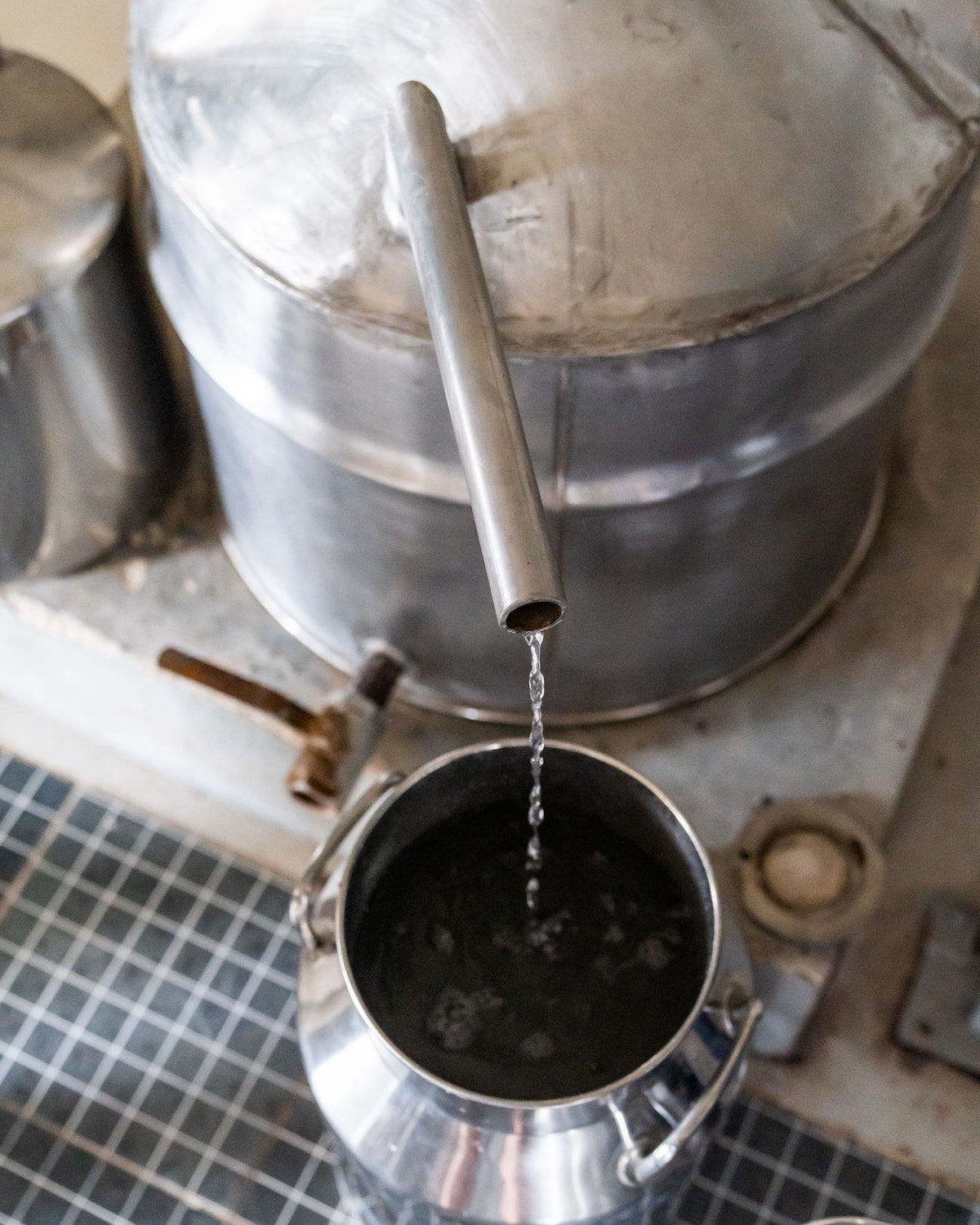
Before distillation, resin tears are cleaned and sorted by quality, size, color, and species. The oil itself is produced through hydrodistillation, where the resin is placed directly in boiling water rather than above it. The resin is stirred to prevent it from settling, burning, or creating excess foam.
As the water boils, steam carries the essential oil into the condenser, where the oil is collected.
Restoring Groves
Frankincense trees in Oman have faced pressure from overharvesting driven by growing global demand, and the species was assessed as Near Threatened in 1998.
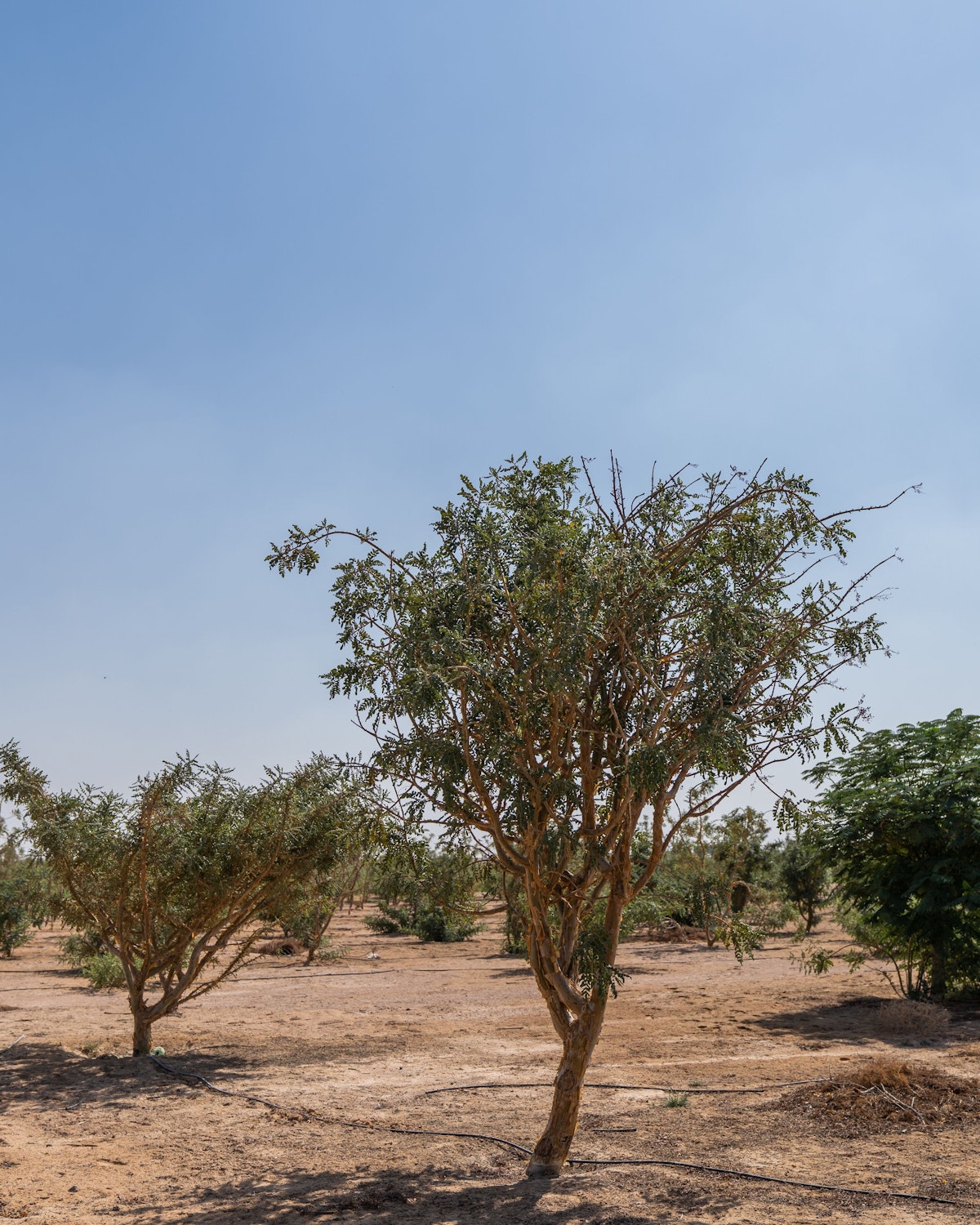
In support of the Omani government’s conservation efforts to safeguard this valuable resource for future generations, dōTERRA’s sourcing partner established a pilot propagation project. Across a 120-acre site, the team has planted more than 20,000 frankincense trees and cultivated approximately 1,000 cuttings in a greenhouse nursery.
In Oman’s arid climate, young trees require careful support to survive and flourish. Drip irrigation and other conservation-focused practices help conserve limited water while giving young trees the best chance to thrive.
Supporting Harvesters
In many wild harvesting systems around the world, workers are expected to cover their own travel, meals, and housing during the harvest season. That can make participation expensive and limit access.
Our third-party certified sourcing partner in Ethiopia helps reduce that burden by paying for transportation from harvesters’ home cities to the collection area. By covering more of the practical costs, the program makes participation more accessible and better organized, while supporting the people whose work helps bring the resin to market.
Transparency and Traceability
In many frankincense supply chains, verbal agreements are still common. That can leave harvesters without clear documentation on price, payment timing, or purchasing terms, creating uncertainty and increasing the risk of exploitation.
dōTERRA’s current sourcing partner in the Horn of Africa takes a more transparent approach with three-year written contracts that define expectations and provide greater stability. Every purchase is documented by date, buying agent, resin type, quantity, and unit price.
The supply chain is also highly traceable, with GPS coordinates mapped for 20 harvesting areas and local community authorization supporting ongoing monitoring of tree health and harvest conditions. This is one example of dōTERRA’s ongoing effort to responsibly and transparently source essential oils.