
Lemon
Why Italy?
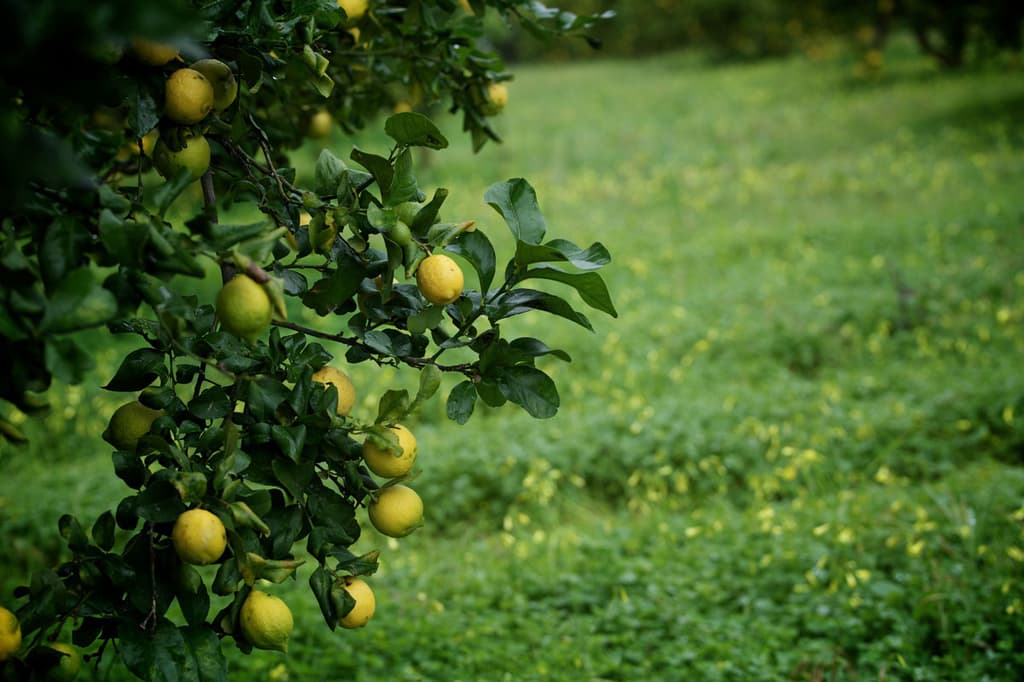
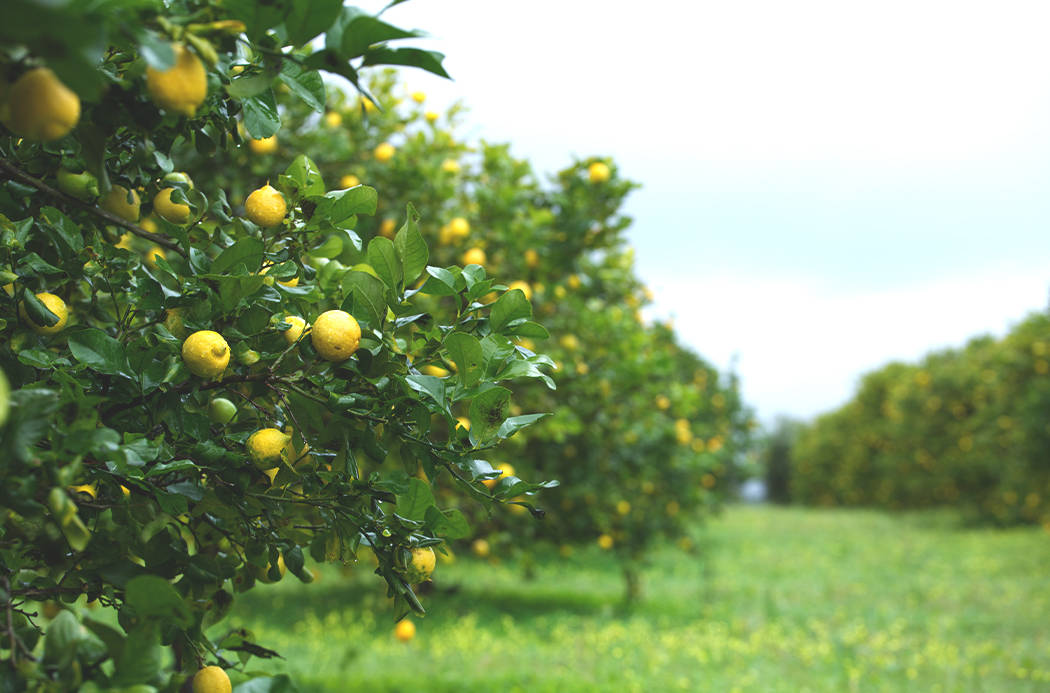
Lemons thrive in the fertile soil and warm climate of the island of Sicily. There—where most of the lemons are sourced for doTERRA Lemon essential oil—the lemons grow to the size of softballs. The island’s warm and sunny climate, mild winters, and porous soil around Mount Etna and Syracuse provide excellent conditions for growing lemons. This region is the biggest in terms of lemon production and quality in Italy. The femminello variety, thanks to climate and land conditions, is of prime quality for both juice and essential oil production.
Why Brazil?
As many migrants from Italy began moving to southern Brazil, they found the soil and growing conditions were favorable for growing several varieties of citrus trees, just like their native Italy. Thousands of European immigrants had found a beautiful place to call home in southern Brazil. Such is the story for the family of our sourcing partner, who has played a critical role in growing and expanding citrus production in Brazil.
Enzo, a Sicilian native, moved to Brazil in the 1970s while in his early twenties. One of the key things that Enzo brought to Brazil was a love for and expertise in growing citrus trees and processing them for essential oils. He learned this craft while working with his father and grandfather in the family citrus business in Sicily. Enzo represents the fourth generation to carry on the family tradition and expertise in citrus essential oil production. Even today, some of Enzo’s fondest memories harken back to the days when, as a young boy, he would spend time with his grandfather in the citrus groves and factory. Enzo is a key pioneer in citrus essential oil production in Brazil. Now, his son carries on the tradition of citrus production, marking the fifth generation as the legacy continues.
The lemon industry is part of these regions’ tradition, with families growing the fruits from generation to generation for decades and even centuries, passing on knowhow and experience that becomes crucial for proper agriculture technicality.

How Does It Work? Harvest and Cultivation
Fruits can be harvested four to five times per year, depending on how much precipitation the area receives in a certain year. The fruits are harvested by farmers using clippers.
The lemon farmers usually belong to a cooperative. Farmers sell their fruits to the cooperative or a private company, which will then separate the fruits based on quality (size, color, and shape) to see which ones can be sold on the fresh fruit market or to juice and essential oil producers. Our essential oil supply partners purchase the fruits from the cooperative or individual plantations directly.
The first use for lemon fruits is the fresh market, but fruits that cannot be sold to the fresh market (because of bruising or other aesthetic deficiencies) are then sold to the citrus industry, which uses lemons to extract the juice and essential oil.

Extracting the Essential Oil
Once harvested and sorted, the fruits are delivered to the food grade standards–processing facility. Arriving by trucks being weighed on a mobile scale for fair and on-time payments, the lemons are then checked for quality and washed before going through a cold-press extraction to recover the essential oil.
The first step in this process is picking or rasping the peels using a special equipment to let the oil out of the oil sacs in the peels. The specifically designed equipment is submerged in water—just enough to cover the grates—and as it scratches the peel, the essential oil is released into the water. The fruit comes out looking like a small, fuzzy ball, with the peel almost completely removed. The oil is then separated from the water in a centrifuge, where it is processed at least twice. The fruit then goes through other equipment to extract the juice, once the peel and essential oil have been removed.
Heavy investment has also been made over the last few years into renewable energy by installing solar panels on the roof distillery and developing a water waste treatment element to be able to recycle the water as part of the production process. The leftover peels are also sold to bio-compost plants to produce electricity.
Co-Impact Sourcing® Story Sustaining Long-Term Partnerships
Lemon essential oil is part of a larger chain that provides work and livelihood to many families—not only those in the lemon fruit production and processing industry, but also those involved in transportation of the fruit from the countryside to the warehouses and processors for fresh produce markets, juice productions, essential oils, and many other related industries and sectors. In the past, abandoned areas of Sicily were recovered and dedicated to lemon fruit production, planting trees, recovering the land, and creating jobs for many families. We are proud to maintain long-term relationships with our sourcing partners, who strive to provide steady income for the farmers from whom they purchase their fruits.
In Italy, one of our partners for Lemon oil is a family-owned company, passing on knowledge and expertise from one generation to the next. After reaching out to doTERRA first many years ago, they became one of our first partners after a visit from Emily Wright, who was inspired by their ambitious goals in the face of challenges. A partnership of transparency, flexibility, and similar values was formed. Our other partner is also a family-owned business, which started in 1926 and continues to expand as the new generation continues developing the company and industry, adding more fruit varieties in the mix like bergamot.
Our sourcing partner in Brazil was established with a family that is now in its fifth generation of citrus production. They carry forward long-standing traditions, introduce ever-improving technology, and invest in the region. This partner also produces some of our Wild Orange essential oil. Together, we strive to source the best-quality essential oils while helping the most people possible. In both cases, their supply chains are local, working directly with cooperatives and farmers to maintain continuous connection. Everything they do is done in accordance with Italian and European union laws.
The real challenge of farming is dealing with Mother Nature. Harvesting depends entirely on weather conditions. Even though the crops may be good, some years they are damaged because of extreme weather. For example, extreme heat can reduce yields by 20–30%. So with less fruit on the market, these relationships are vital for securing the necessary plant material. Our relationships with our partners empower them to continue working with local farmers and cooperatives, growing alongside them to improve farming methods, protect the environment by reducing carbon footprint, and expand during periods of high demand.
Community Impact in Brazil
After a fire tore through a rural elementary school in the heart of citrus production, our sourcing partner mobilized to gather resources and reconstruct the school. Since then, the school has welcomed dozens of Wellness Advocates to learn about the opportunities provided to children in this rural zone and lend service at the school.